The Basics of SaaS (Software as a Service)

SaaS delivers software over the internet, removing the need for local installs and complex maintenance. It centralizes hosting, updates, and security, offering predictable costs and scalable resources. For businesses, the value lies in faster time-to-value, better collaboration, and seamless cloud integration, with providers handling reliability and data protection. Yet data privacy concerns, possible vendor lock-in, and internet dependence require careful consideration. Interested in how to balance these factors for your goals?
What SaaS Is and How It Works
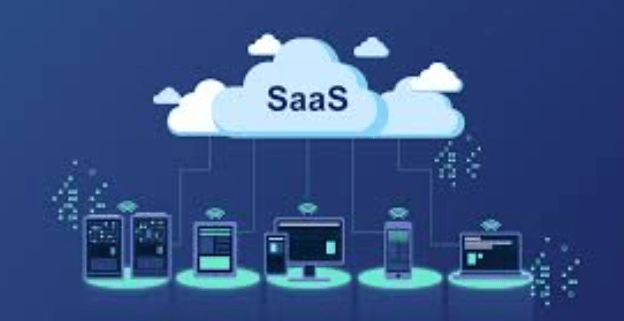
SaaS, or Software as a Service, delivers software applications over the internet rather than via on-premises installations. The model centralizes hosting, updates, and security, enabling rapid access and predictable costs. Outcomes-focused metrics show reduced time-to-value and improved uptime.
Users gain freedom through scalable resources, collaborative tools, and seamless cloud integration, while providers handle maintenance, reliability, and data protection. SaaS scalability supports growing needs efficiently.
Common SaaS Pricing and Deployment Models
Pricing and deployment models in the SaaS space optimize cost predictability and time-to-value by offering flexible structures tailored to usage, users, and risk tolerance.
The goal is clear outcomes: scalable pricing tiers, deployment options, and service level agreements that meet performance, uptime, and compliance needs.
Consider data residency, multi tenancy, audit trails, onboarding fees, and blackout windows for confident, freedom-driven decisions.
Pros and Cons of Using SaaS for Your Business
Are the benefits of SaaS worth tradeoffs for a growing organization? SaaS offers rapid deployment, predictable costs, and scalable features, enabling focus on outcomes and customer value.
Yet data privacy concerns, potential vendor lock in, and reliance on internet access introduce risk. Firms should weigh governance, audits, and exit options to preserve freedom while maximizing performance and measurable ROI.
How to Choose the Right SaaS Solution for You
Selecting the right SaaS solution starts with defining concrete outcomes and tracing how each option aligns with those goals. A data-informed, customer-focused assessment compares features, scalability, and total cost of ownership, while prioritizing freedom to switch providers.
Consider a free trial to validate fit, and beware vendor lock in that limits adaptability, data portability, and long-term agility.
See also: hadlog
Frequently Asked Questions
How Is Data Stored and Secured in Saas Platforms?
Data in SaaS is stored across secure, often encrypted, cloud repositories with strict access controls and regular audits; data residency options and vendor lock-in considerations shape choices, ensuring customers retain portability and control while pursuing outcomes and freedom.
Can I Customize Features Without Coding or APIS?
Customization options exist via non code configurations, but extensive changes typically require coding or APIs; this limits immediate, broad customization for users seeking freedom, yet outcomes may improve with data-informed, customer-focused adjustments.
What Happens to My Data if the Service Goes Offline?
If the service goes offline, data restoration and service redundancy plans are invoked to recover access quickly; customers are kept informed, ensuring continuity and control, so their freedom to operate remains intact while outcomes prioritize data integrity and availability.
How Is User Access and Permissions Managed Across Teams?
Access controls enable precise access and role based permissions across teams, supported by an onboarding flow and data encryption; SaaS pricing and trial experience shape adoption, while ongoing governance ensures secure collaboration and freedom to scale confidently.
Do Saas Tools Support Offline Access and Syncing?
SaaS tools generally offer limited offline access with syncing strategies bridging online sessions; data backup and disaster recovery plans underpin reliability, ensuring customers experience uninterrupted workflows and freedom to work across devices despite connectivity fluctuations.
Conclusion
SaaS behaves like a lighthouse, steady and distant, guiding ships through foggy markets with predictable costs and constant updates. For the buyer, outcomes—uptime, value, time-to-value—are the true navigational stars, not glossy interfaces. Data becomes the compass: usage analytics, reliability, and total cost of ownership shape every course change. The right SaaS keeps the voyage secure, scalable, and customer-focused, while exit ramps and vendor clarity prevent stranded horizons in a sea of ever-shifting options.